Industry application grid

Bodor laser pathways for distinct production environments

A useful industry label does not select a machine. The same sheet-metal plant may run thin stainless enclosures, thick mild-steel bases, reflective aluminum panels, and structural tube. These cards identify the operating questions that change the process route.

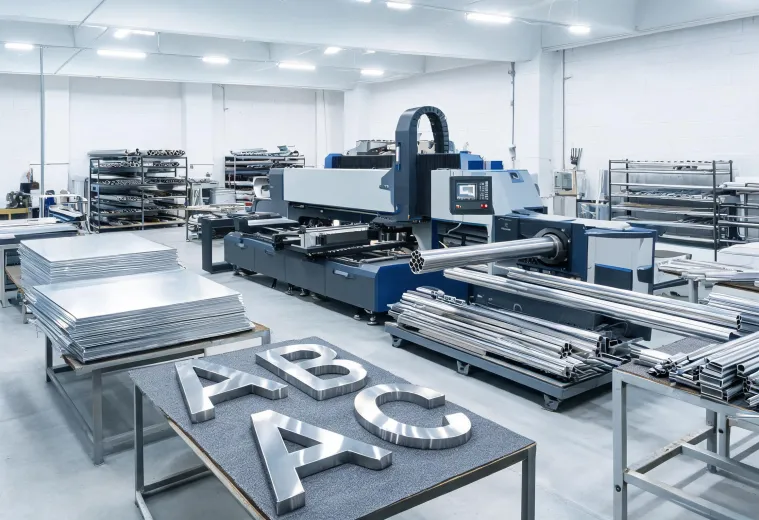
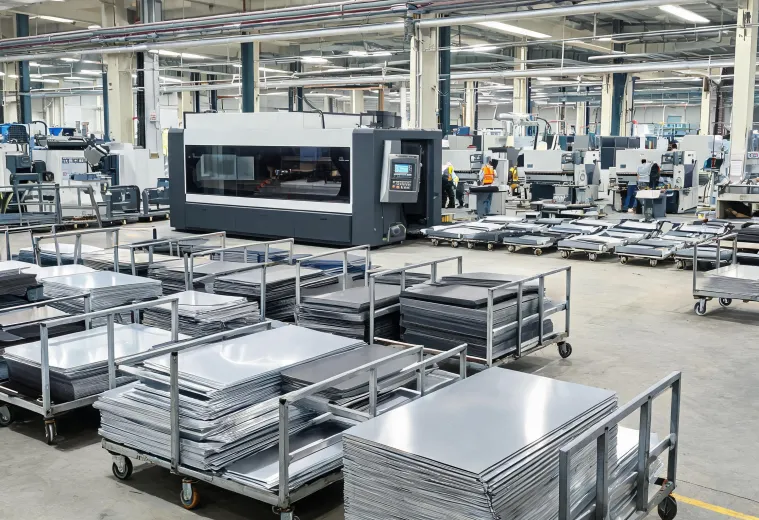
Mixed batch sheet metal production
SHEET METAL

Job shops and contract fabrication

High mix makes changeover discipline, nesting, material identity, nozzle control, and downstream scheduling as important as peak cutting speed. Review the actual thickness distribution, sheet size, remnant policy, surface film, edge criterion, and operator workload. Automation can reduce handling, but it adds layout, queue, and recovery requirements.
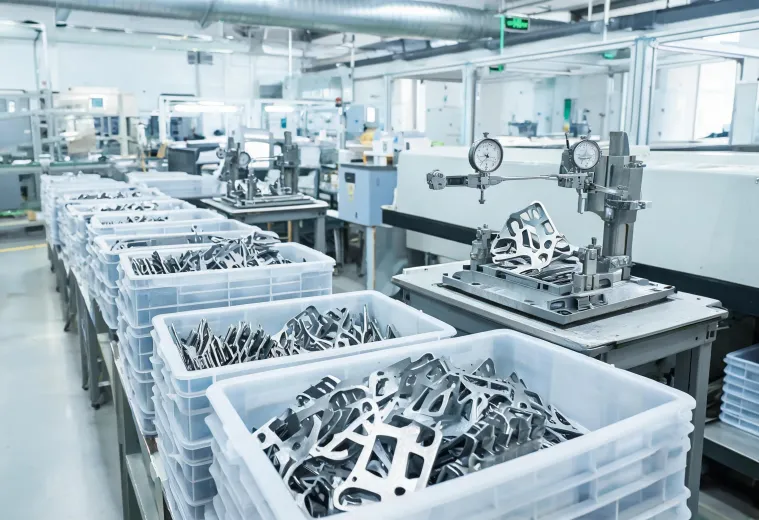
Automotive component batch inspection
AUTOMOTIVE SUPPLY

Repeatable parts with controlled release

Batch traceability, revision control, fixture interfaces, edge condition, and downstream joining drive the acceptance discussion. Faster motion is not useful if thermal behavior or piercing variation disrupts a critical feature. Hold the drawing, material, parameter record, inspection method, and sampling plan constant when comparing results.

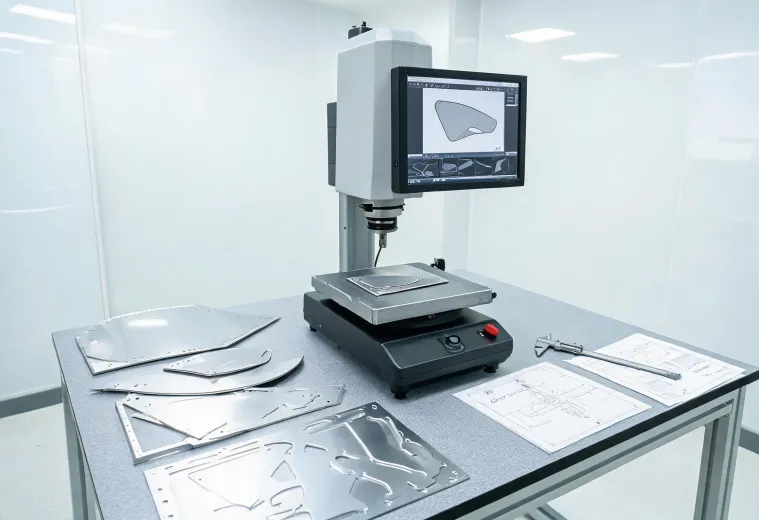
Aerospace sheet part inspection
AEROSPACE FABRICATION

Material identity and documented process windows

Heat-sensitive alloys, thin features, burr limits, oxidation rules, and inspection evidence can narrow the feasible process window. A sample result on substitute material is not equivalent evidence. Confirm alloy, temper, thickness, surface state, gas, focus strategy, machine condition, and the required downstream validation.

Tube and signage fabrication
TUBE, SIGN & DISPLAY

Geometry access and finish protection

Tube chucking, seam location, profile straightness, corner behavior, and support strategy govern profile work. Sign and display projects add visible-surface protection, fine contours, short runs, and finishing concerns. Evaluate part access and handling before assuming a flat-sheet recipe transfers unchanged.

Method trade-offs

Match the process to the release criterion

These comparisons are selection factors, not performance claims. Final values require a configured machine and a documented test.

DecisionRoute ARoute BEvidence to request
Fiber vs CO2Fiber commonly favors many metal-cutting workflows and compact optical delivery.CO2 can remain relevant where wavelength interaction or non-metal processing governs.Same material, geometry, quality criterion, utility boundary, and cost basis.
Higher power vs controlled windowAdditional source power may expand throughput or thickness options.A stable lower-power window may better fit thin work, budget, or utility limits.Cut samples, cycle breakdown, gas use, edge inspection, and pierce stability.
Manual load vs automationManual handling can suit variable work and lower utilization.Automation can support sustained flow but introduces queue and recovery logic.Part mix, schedule, floor layout, staffing, buffer rules, and failure recovery test.
Laser welding vs conventional joiningLaser welding may offer concentrated heat input and narrow seams under controlled fit-up.Conventional methods may tolerate different joint access, gap, or capital constraints.Joint preparation, gap range, shielding, metallurgy review, section inspection, and operator study.

Important operating limits

Reflective materials, contaminated surfaces, unstable gas supply, worn optics, poor extraction, temperature extremes, inconsistent flatness, and uncontrolled joint gaps can move results outside the observed process window. Safety guarding, interlocks, laser classification, fume control, PPE, and local regulatory obligations must be assessed for the delivered system and site.

Test the intended work

Build an acceptance sample around your production risk

Provide a representative drawing, certified material, thickness range, surface condition, planned gas, target takt, edge or weld criteria, and downstream checks.