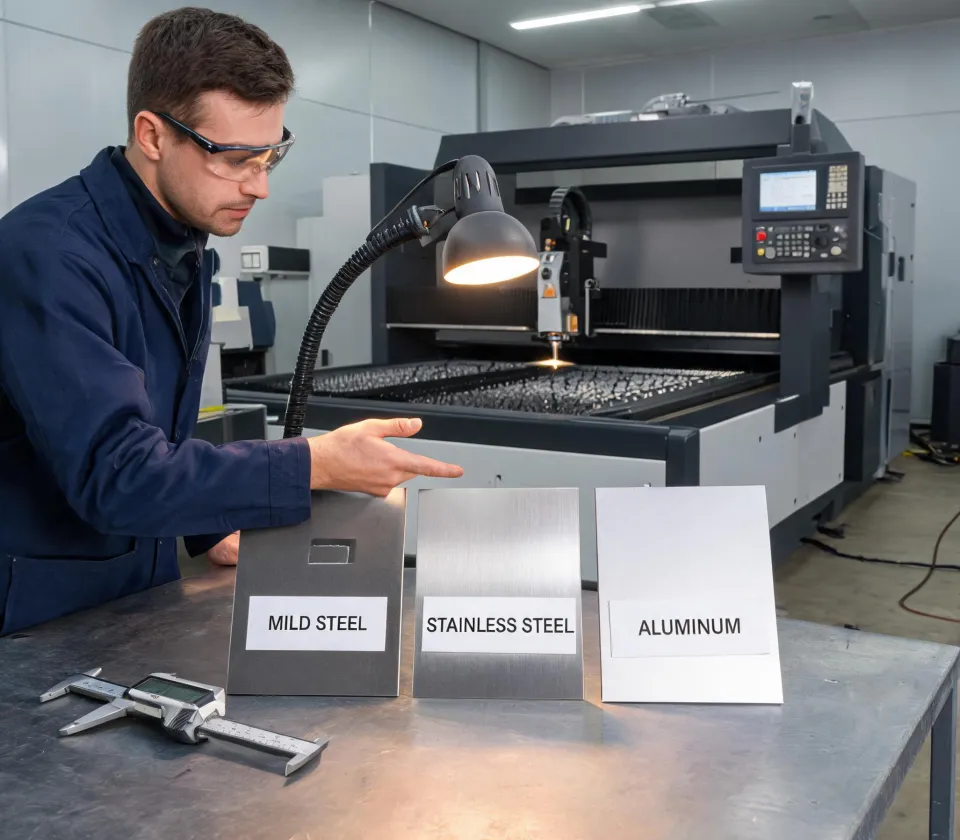
Bodor application briefs begin with a release decision
The central question is not whether a laser can touch the material. It is whether a defined configuration can repeatedly produce an acceptable part within the planned workflow, with known utilities, safety controls, maintenance, and downstream consequences.
The brief connects a drawing and material range to the process variables, inspection method, production flow, implementation actions, and evidence boundary that the buyer must review.
Build the BriefFollow the part through four questions
Context: A fabricator may request a “12 kW laser” because power is easy to compare. Yet the plant releases parts, not kilowatts. The review first records drawings, grades, thickness distribution, sheet or profile dimensions, monthly mix, visible surfaces, holes and contours, target cycle, and downstream bending, coating, or joining.
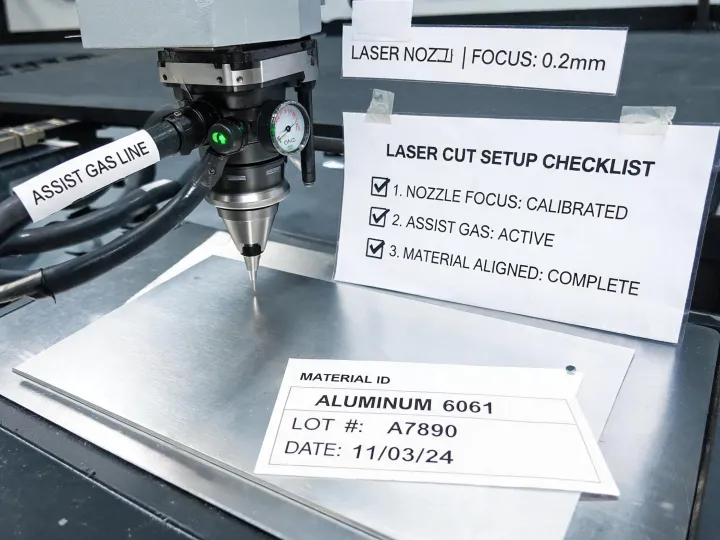
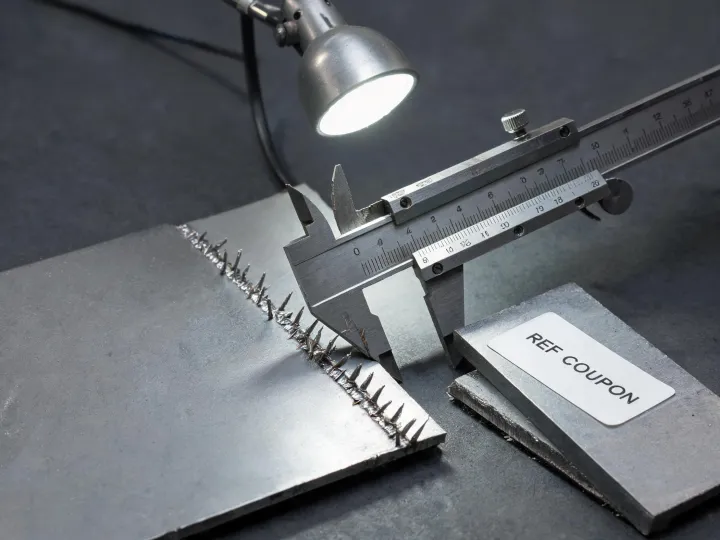
Method: A representative sample matrix changes one controlled factor at a time where practical. The record can include source output, speed, assist gas and pressure, nozzle, focus, piercing strategy, path behavior, optical condition, material certificate, and ambient state. Inspection uses the buyer’s stated criteria, which may include burr, dross, taper, heat tint, dimensional features, surface damage, weld geometry, or section quality.
Decision: Observations are compared against the complete operating boundary. A faster cut may use more gas or increase downstream finishing. Automation may improve flow only when loading, unloading, sorting, buffer rules, and recovery fit the schedule. Laser welding may reduce heat input in a suitable joint but remains sensitive to access, fit-up, shielding, and metallurgy.
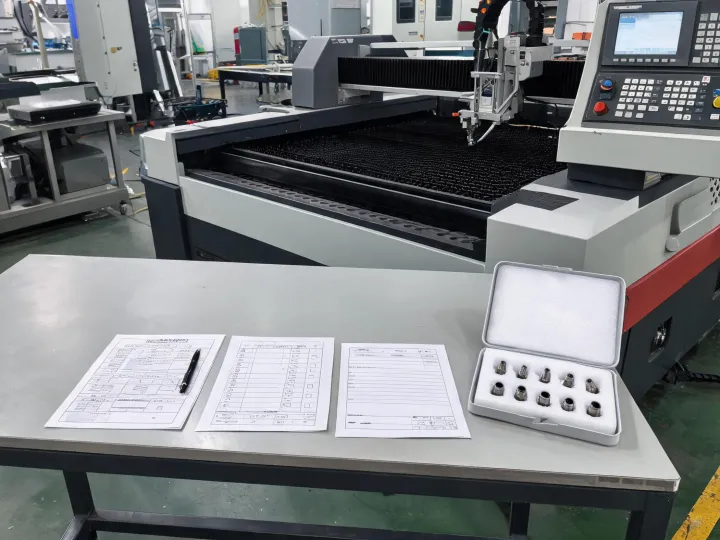
Handoff: The approved configuration, sample, parameter record, unresolved risks, site actions, training topics, maintenance assumptions, and acceptance protocol move into the commercial and implementation record.
“A useful sample does not prove every part. It defines what was tested, what passed, and where the evidence stops.”
Three limits to disclose
- Material chemistry, flatness, coating, contamination, and reflectivity can alter the process response.
- Optics, nozzle condition, gas quality, cooling, extraction, and maintenance change repeatability.
- Observed samples do not replace site safety review, contract acceptance, or local compliance duties.
Open the question that blocks your decision
Photograph what another team must understand
These image slots illustrate a validation record: setup context, measured output, and the handoff package. They are not customer projects or performance proof.
Send enough context for the next question to be useful
Describe the part family, material and thickness range, production mix, critical geometry, target output, downstream process, site region, and acceptance concerns. Attachments and exact test arrangements can be coordinated after the initial inquiry.
Submitting a brief does not create a performance guarantee, reserve field service, or replace a signed quotation. Regional teams must confirm scope and availability.