01 / CUT
Laser Cutting Machines
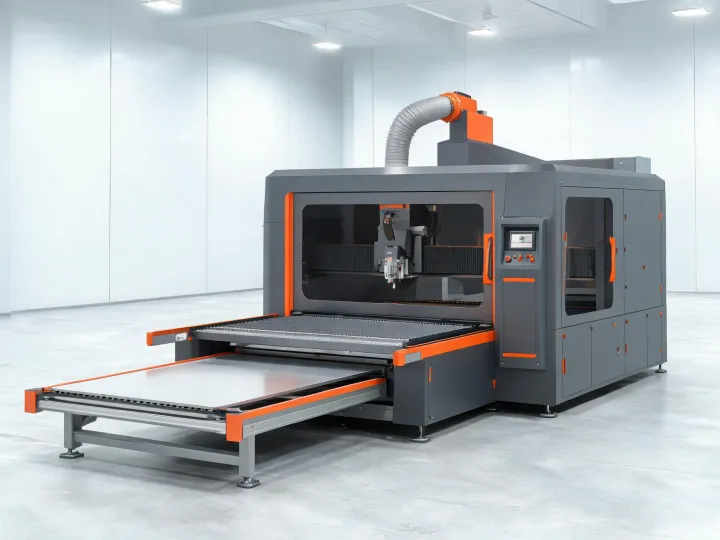
Frame format, cutting head, source class, bed arrangement, extraction, and material handling are reviewed as one production cell.
Review cutting systems →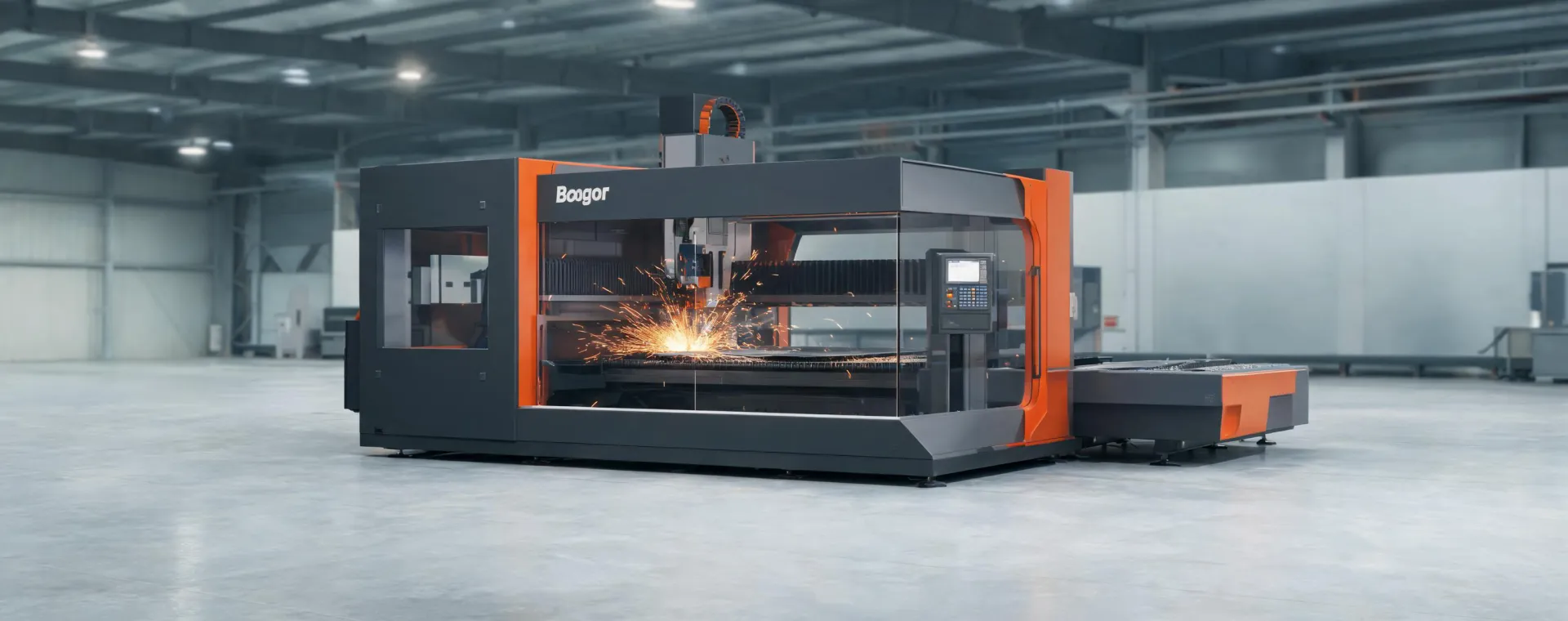
Start with material, thickness, geometry, takt expectation, edge condition, and downstream operations. Then narrow the machine architecture, power class, automation scope, and validation route.
These three pathways cover flat-sheet cutting, profile processing, joining, and laser source integration without pretending one configuration fits every part mix.
Frame format, cutting head, source class, bed arrangement, extraction, and material handling are reviewed as one production cell.
Review cutting systems →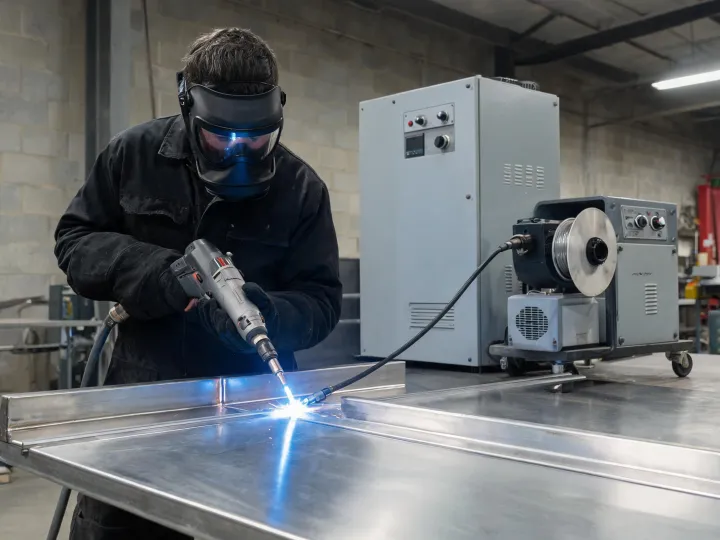
Joint access, fit-up, shielding, wire delivery, heat input, operator controls, and guarding determine whether the process is suitable.
Review welding systems →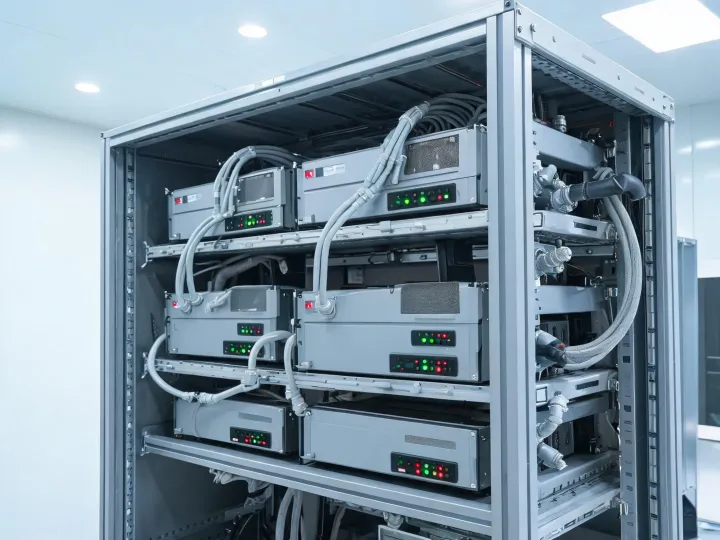
Source selection must account for wavelength response, material, duty cycle, optical path, cooling, maintenance, and the real acceptance test.
Build an application brief →Part families, traceability, edge requirements, nesting behavior, and downstream flow change the right equipment conversation.
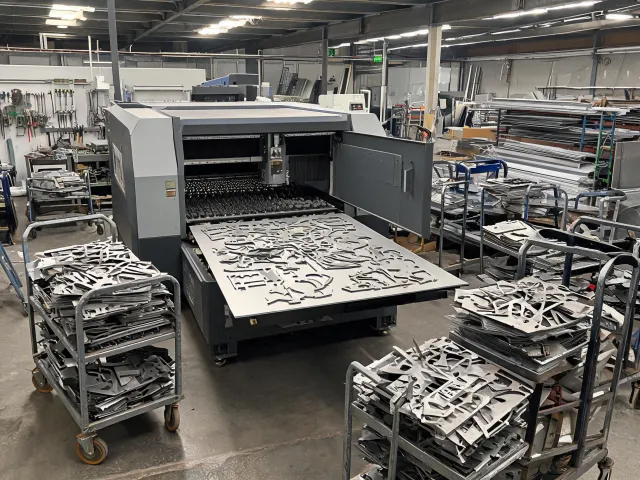
Mixed grades, rapid changeovers, and downstream bending.
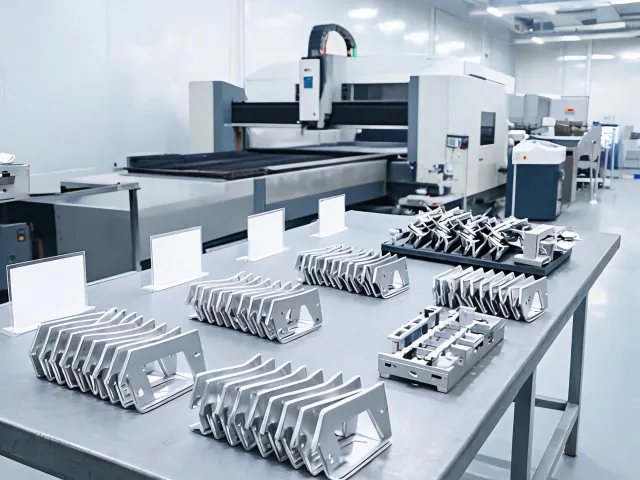
Repeatable geometry, batch control, and release evidence.
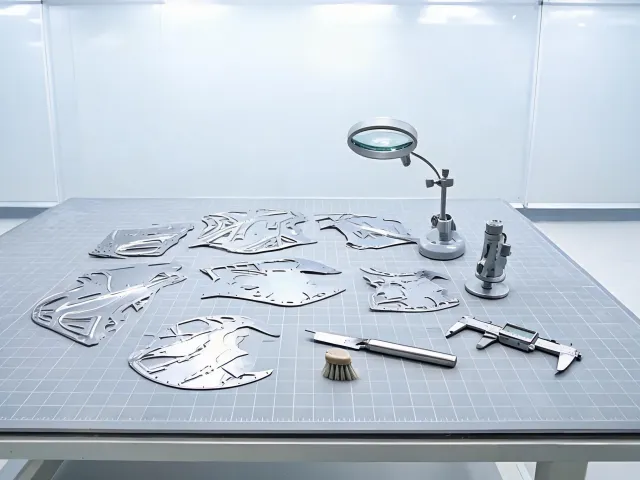
Material identity, heat sensitivity, and inspection planning.
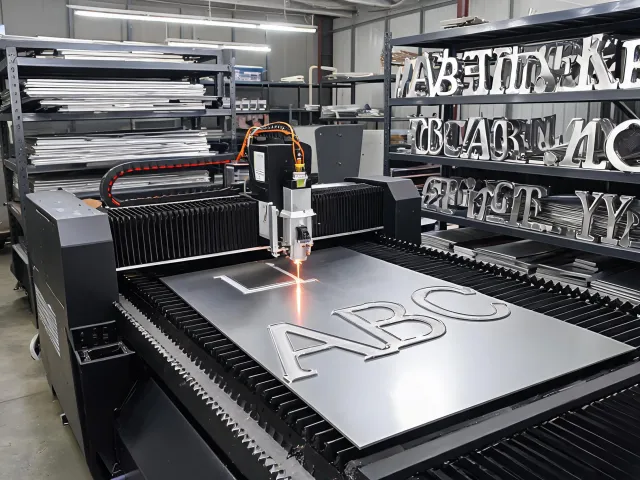
Surface protection, clean contours, and varied short runs.
A power rating is not an acceptance result. A responsible comparison holds material grade, thickness, assist gas, nozzle condition, focus strategy, geometry, and edge criteria constant—and records what changed.
Bodor application review principle · verify on the intended part before purchase acceptance
Share a drawing, material range, annual mix, downstream process, and acceptance criteria. The first useful answer is a test plan—not a generic power recommendation.